

Summary of Program
NM Rare Plant Watch is a new collaborative effort led by the State Botany Program within the Energy, Minerals, and Natural Resources Department (EMNRD). Our goal is to update historic records of rare plant populations across the state. Rare Plant Watch volunteers help by relocating populations of rare plants – many of which have not been visited in years or decades. If these populations are relocated, volunteers will be tasked with documenting specific information such as population size, status, and threats, and taking photographs for verification, which will help guide land management decisions and aid conservation efforts for New Mexico’s most vulnerable plant species.
Benefits
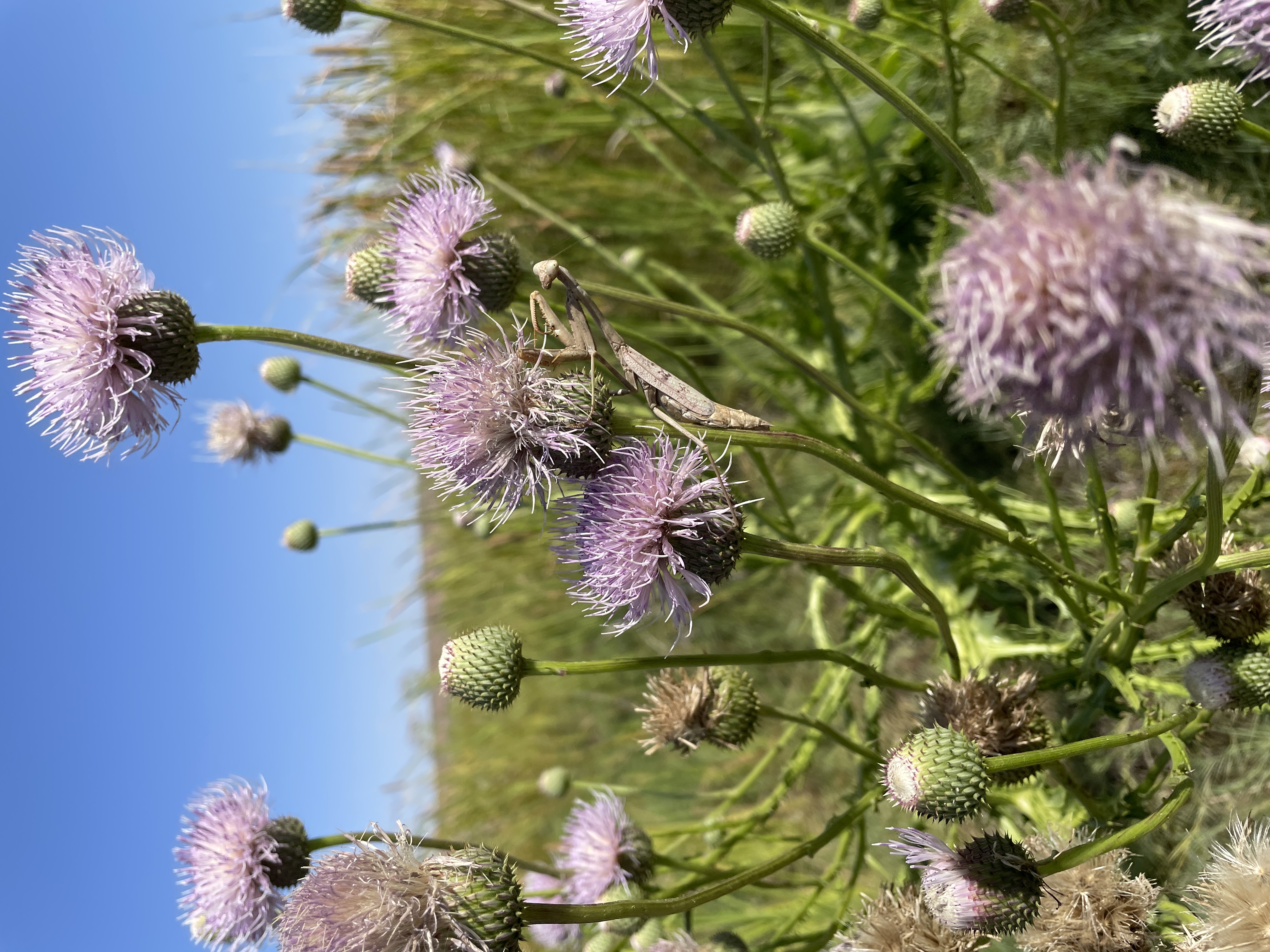
Discover New Mexico's rare species that few people ever see,
Enjoy breathtaking natural spaces that are off the beaten path,
Connect with native plant conservation,
Contribute directly to conservation and management decisions.
How it Works
- Sign up here
- Attend a required half-day orientation and training session in the spring, or watch the recorded training webinar.
- Submit the Data Use and Liability Agreement.
- Complete at least one revisit assignment within a year of signing up. Completing an assignment includes:
- Select a rare plant population (species and site) from an interactive map of priorities maintained by NM Rare Plant Watch. Find web map here.
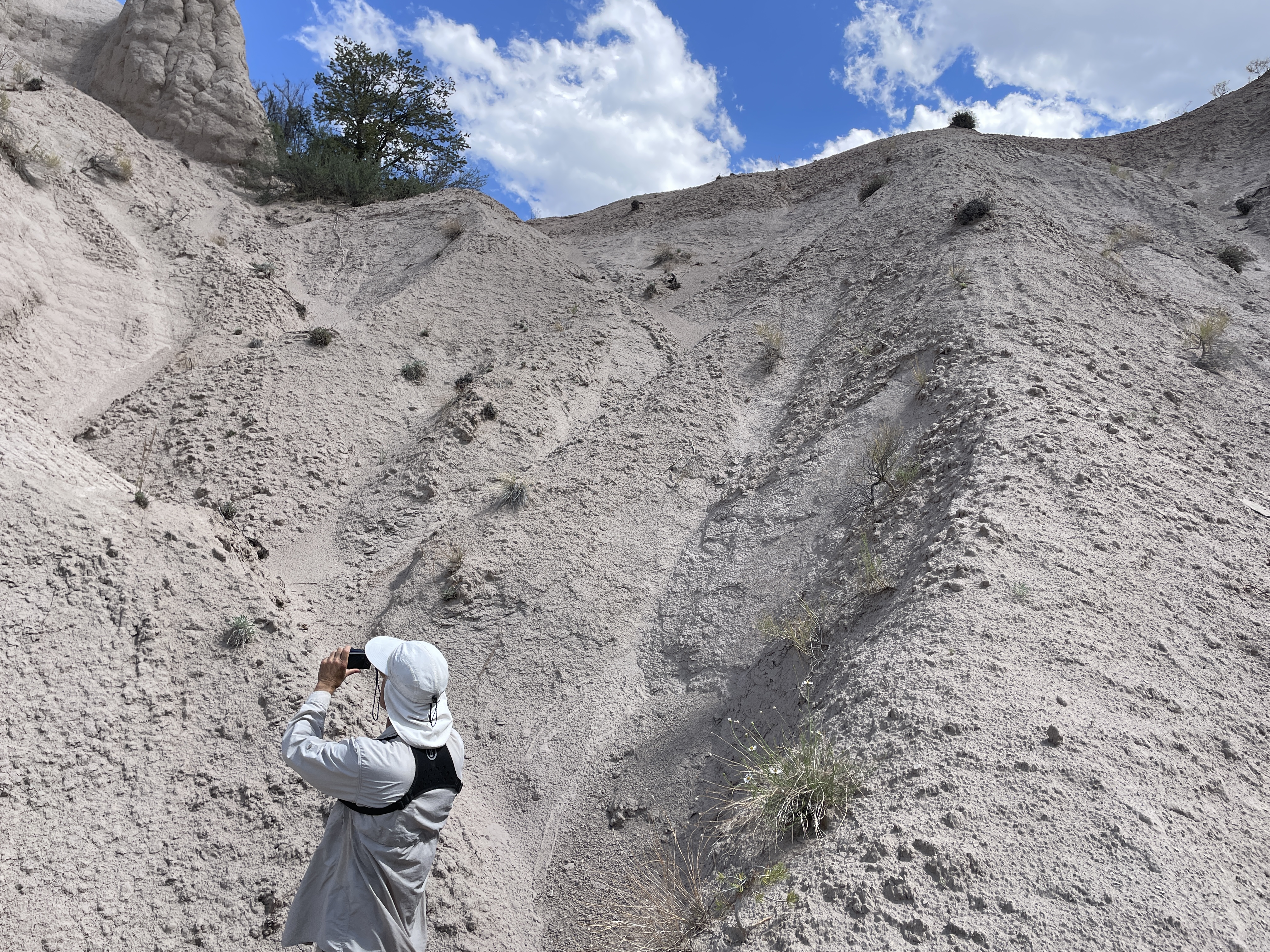
- Conduct preparatory research to determine how to best access the rare plant population location, when the best time is to visit the population (bloom time), and determining the key diagnostic features of the target species.
- Collect required data on the rare plant population, once relocated. Surveys may take several hours depending on how big the population is and the ease of navigating to the target site.
- Submit a completed survey report (upload data) and photos for each revisit assignment within a timely manner.